

Before choosing a wood species, it is important to understand the structural options available:
Mill-crafted from a single piece of wood, solid hardwood can be sanded and refinished multiple times over its lifetime. It is ideal for above-ground rooms with stable humidity levels.
Built with a real wood veneer atop cross-ply layers of high-density fiberboard or wood. This design provides excellent stability, making engineered wood less prone to expanding and contracting due to humidity changes—ideal for basements or installations over concrete subfloors.
Wood flooring is available in a wide range of materials, including hardwoods, softwoods, domestic, and imported species. Each option offers unique visual characteristics, performance qualities, and maintenance requirements. Below are some of the most common wood species used in flooring.
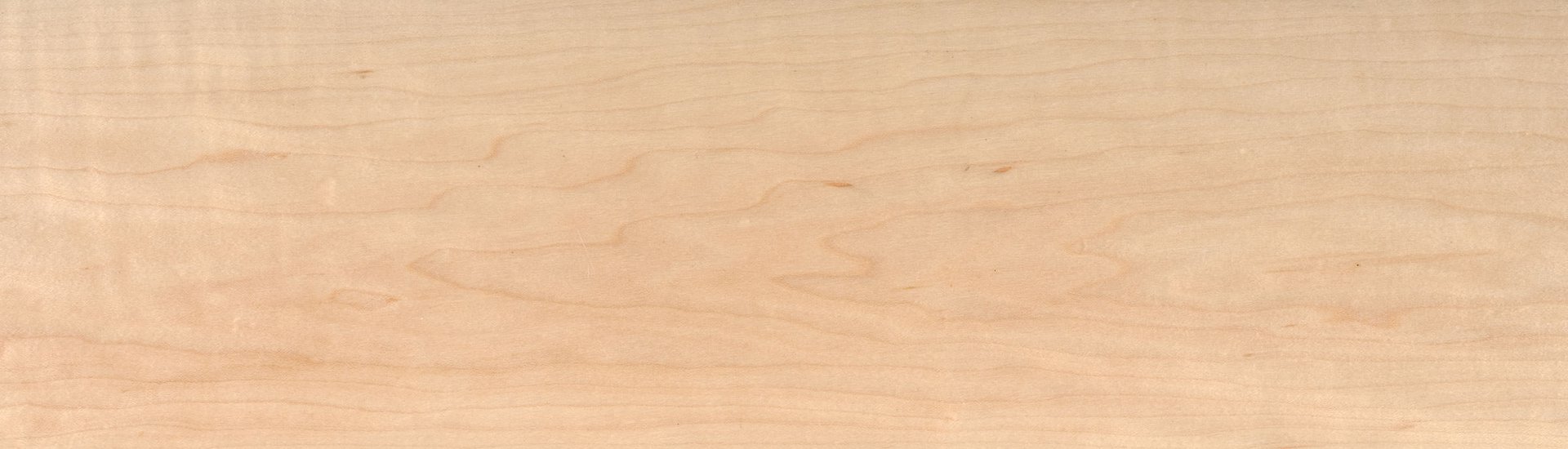
Heartwood is creamy white to light reddish brown; sapwood is pale to creamy white.
Closed, subdued grain, with medium figuring and uniform texture. Occasionally shows quilted, fiddleback, curly or bird's-eye figuring. Figured boards often culled during grading and sold at a premium.
Modern and Scandinavian-inspired interiors.
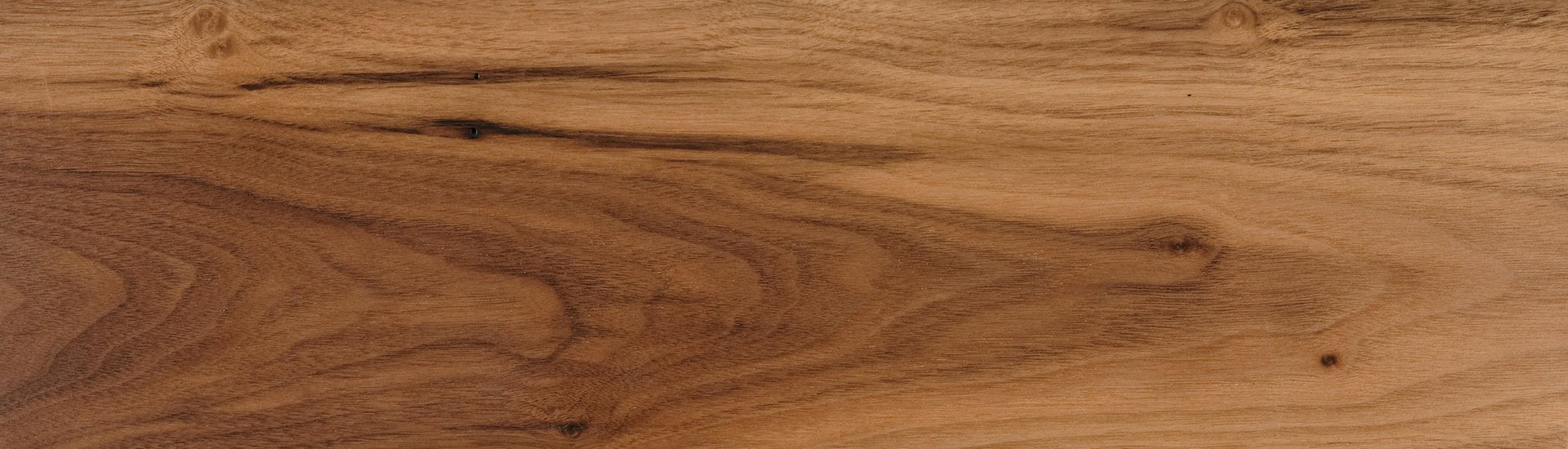
Heartwood ranges from a deep, rich dark brown to a purplish black. Sapwood is nearly white to tan. Difference between heartwood and sapwood color is great; some flooring manufacturers steam lumber to bleed the darker heartwood color into the sapwood.
Mostly straight and open, but some boards have burled or curly grain. Arrangements of pores is similar to hickories and persimmon, but pores are smaller in size.
High-end, classic, or formal dining and living areas.

Heartwood and sapwood are similar, with sapwood lighter in color; most pieces have a reddish tone. Slightly redder than white oak.
Open, slightly coarser (more porous) than white oak. Plainsawn boards have a plumed or flared grain appearance; riftsawn has a tighter grain pattern, low figuring; quartersawn has a flake pattern, sometimes called tiger rays or butterflies.
Classic, traditional, and cozy interior styles.
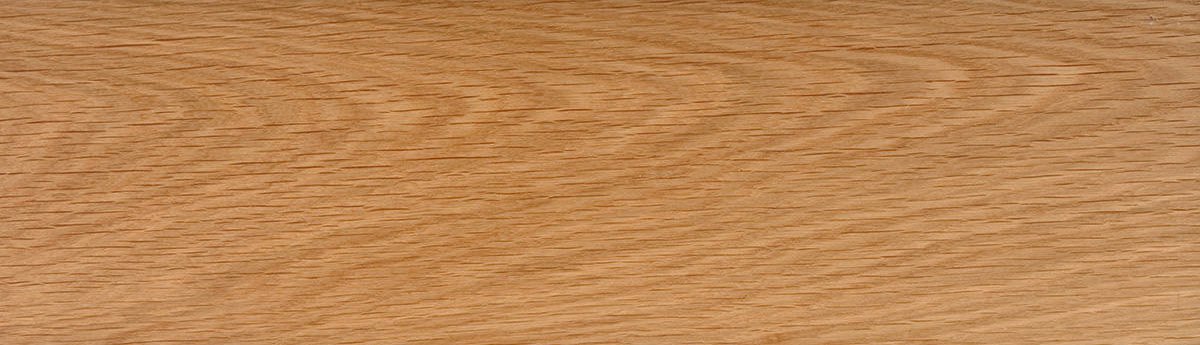
Heartwood is light brown; some boards may have a pinkish tint or a slight grayish cast. Sapwood is white to cream.
Open, with longer rays than red oak. Occasional crotches, swirls and burls. Plainsawn boards have a plumed or flared grain appearance; riftsawn has a tighter grain pattern, low figuring; quartersawn has a flake pattern, sometimes called tiger rays or butt.
Modern, contemporary, or transitional home designs.
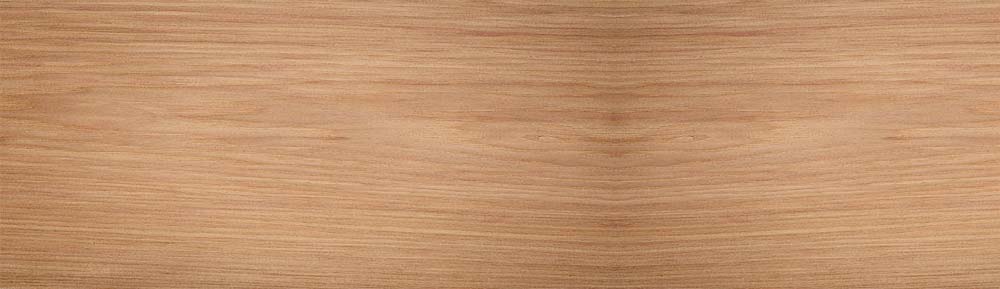
Pecan heartwood is reddish brown with darkbrown stripes; sapwood is white or creamy white withpinkish tones. Hickory heartwood is tan or reddish;sapwood is white to cream, with fine brown lines.
Pecan is open, occasionally wavy or irregular.Hickory is closed, with moderate definition; somewhatrough-textured.
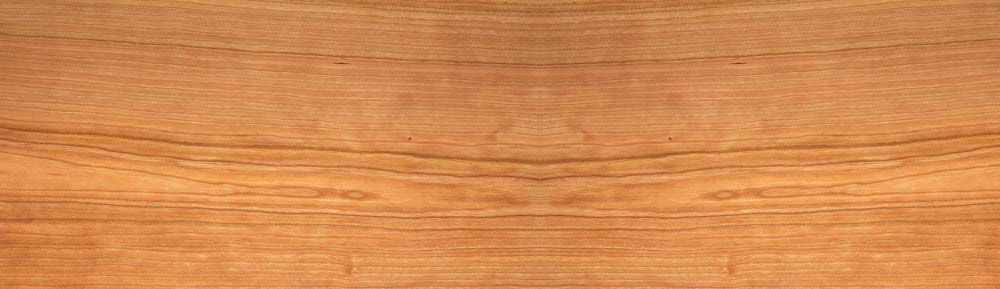
Sapwood is gray-white; heartwood is salmonred to orange-brown when fresh and becomes russetor reddish brown when seasoned; often marked withdark streaks.
Mostly interlocked; texture is medium torather coarse.
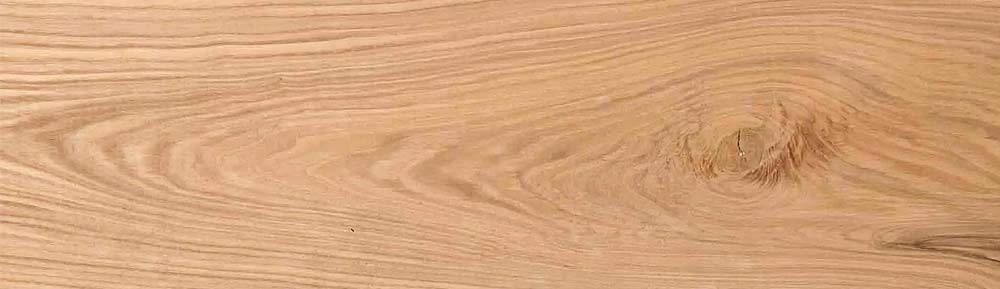
Heartwood is light tan to dark brown; sapwoodis creamy white. Similar in appearance to white oak,but frequently more yellow.
Bold, straight, moderately open grain withoccasional wavy figuring. Can have strong contrastin grain in plainsawn boards.
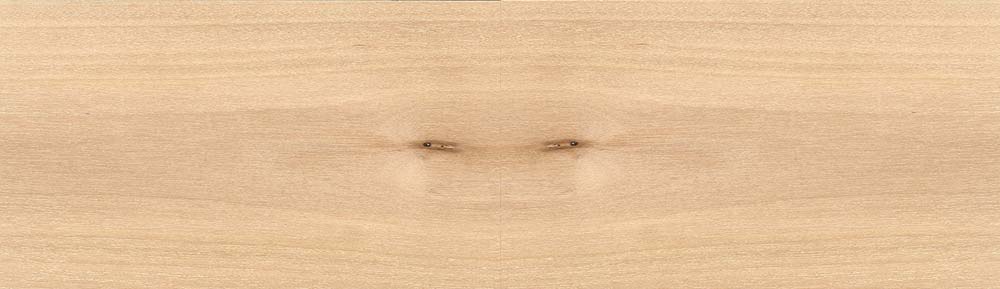
In yellow birch (B. alleghaniensis), sapwood iscreamy yellow or pale white; heartwood is light red-dish brown tinged with red. In sweet birch (B. lenta),sapwood is light colored and heartwood is dark browntinged with red.
Medium figuring, straight, closed grain, eventexture. Occasional curly grain or wavy figure insome boards.
Please fill out the form bellow to schedule a visit for evaluation of your project.